Staging your home effectively can be the key to a faster sale and higher offers. Whether you’re aiming to impress buyers online or in person, boosting your home’s appeal helps buyers envision themselves living in the space. This emotional connection can be the difference between a slow sale and a bidding war. With a variety of options available—ranging from virtual staging to professional help and even DIY strategies—staging is one of the most impactful ways to present your home in the best light. A well-staged home stands out in a competitive market, attracting more interest and encouraging better offers.
However, before diving into the staging process, there are important things to do before listing your home that will enhance the effectiveness of your efforts. From performing a deep clean to addressing minor repairs and boosting curb appeal, these preliminary steps set the foundation for successful staging. Decluttering, depersonalizing, and organizing storage spaces will create a clean slate, making it easier for potential buyers to imagine themselves living there. Ensuring that both the interior and exterior of your home are in top shape allows staging to have its full impact, making your home more appealing from the moment it hits the market.
1. Virtual Staging: A Modern Solution
In today’s digital age, virtual staging has grown in popularity. It allows homeowners to furnish and decorate their spaces digitally without the need for physical items. This is especially helpful for vacant homes or properties with outdated furniture, as virtual staging gives potential buyers a more accurate vision of how the space could look when fully furnished.
How It Works
Virtual staging involves using computer software to insert furniture, decor, and other design elements into photos of your home. This technique is cost-effective compared to traditional staging because it eliminates renting physical furniture or hiring a staging crew.
Benefits of Virtual Staging
- Cost-Effective: A fraction of the cost of physical staging.
- Flexibility: You can easily switch styles to appeal to different buyer demographics.
- Increased Interest: Online listings with virtually staged photos often stand out more and attract more potential buyers.
When using virtual staging, ensure the images are realistic and reflect your home’s size and layout. Overly stylized or exaggerated images may mislead buyers, which can backfire during in-person viewings.

2. Hiring a Professional Stager
Hiring a professional home stager can be worth the investment if you’re looking for a guaranteed way to maximize your home’s appeal. Professional stagers are skilled at turning homes into welcoming, well-designed spaces that appeal to a broad range of buyers. Just as choosing the right realtor is essential for a successful sale, selecting the right home stager can be equally important. A great stager not only highlights your home’s best features but also creates an emotional connection with potential buyers, making your property stand out in a competitive market. The right stager can significantly impact how quickly your home sells and how much buyers are willing to offer.
The Process
Professional stagers will typically visit your home, assess the layout, and recommend changes or improvements. They may also bring furniture, decor, and other items to create a cohesive, inviting look. This service can range from basic consultations to full-scale staging, where every room in the home is transformed.
Why Hire a Professional?
- Expertise: Professional stagers know how to highlight your home’s strengths while downplaying any weaknesses.
- High-Quality Furnishings: Stagers often have access to premium furniture and decor that can elevate the look of your home.
- Higher Offers: Studies have shown that professionally staged homes sell faster and for higher prices than unstaged homes.
While professional staging can be more expensive than DIY methods, the return on investment is usually substantial. This is especially true in competitive markets where buyers seek move-in-ready homes.
3. DIY Staging: Affordable and Effective
For homeowners on a budget, DIY staging is a great way to improve your home’s appearance without needing professional help. Making small but impactful changes can create a more inviting atmosphere that appeals to potential buyers.
Decluttering and Depersonalizing
One of the first steps in DIY staging is decluttering. Remove excess furniture, knick-knacks, and personal items like family photos or memorabilia. This helps buyers visualize themselves living in the home rather than being reminded of the current owners. A clean, clutter-free space appears more extensive and open, which is always a plus for buyers.
Rearranging Furniture
Once you’ve decluttered, rearrange your furniture to improve flow throughout the home. Move furniture away from walls to open up the space and create cozy seating areas that invite conversation. Avoid overcrowding rooms with too much furniture—less is often more when it comes to staging.
Painting and Neutralizing
A fresh coat of paint can make a world of difference. Stick to neutral colors like beige, light gray, or soft white to appeal to a broader audience. These tones make rooms feel larger and brighter while providing a blank canvas for buyers to imagine their decor.
Adding Small Decor Touches
Simple decor updates, such as fresh flowers, decorative pillows, or new bedding, can give your home a polished look. Avoid overly personalized or trendy items that may not resonate with all buyers. Instead, aim for universally appealing decor highlighting your home’s best features.

4. Emphasize Natural Light
Lighting plays a crucial role in making a home feel welcoming and spacious. Buyers are naturally drawn to bright, airy spaces, so maximizing the natural light in your home is essential.
Maximizing Natural Light
Start by opening all curtains and blinds to let in as much light as possible. Clean your windows thoroughly to ensure they sparkle and allow maximum sunlight. Mirrors are also great for reflecting light and making rooms appear larger. Place them strategically across from windows to enhance the brightness of your space.
Artificial Lighting Tips
If your home has limited natural light, focus on improving artificial lighting. Use warm-toned bulbs to create a cozy, inviting atmosphere. Consider adding floor or table lamps to brighten dark corners. Avoid harsh, bright white lights, making rooms feel cold or clinical.
5. Focus on Key Rooms
Not all rooms in a home are equally important when it comes to staging. Buyers are most influenced by the kitchen, living room, and master bedroom, so these spaces should be the focus of your staging efforts.
Kitchen
A clean, clutter-free kitchen is crucial. Remove all small appliances, utensils, and personal items from countertops. A bowl of fresh fruit or a stylish coffee machine can be a nice touch, but keep decor minimal. If your kitchen cabinets are outdated, consider a quick refresh by painting them or replacing the hardware.
Living Room
In the living room, aim for a cozy and functional layout. Arrange furniture to create inviting conversation areas, and use throw pillows and blankets to add warmth. Avoid overcrowding the space with too much furniture or decor.
Main Bedroom
The master bedroom should feel like a retreat. Make the bed with fresh, neutral bedding, and remove any clutter from nightstands and dressers. Keep the decor simple and serene, with soft lighting to create a calming atmosphere.
6. Incorporate Greenery and Simple Decor
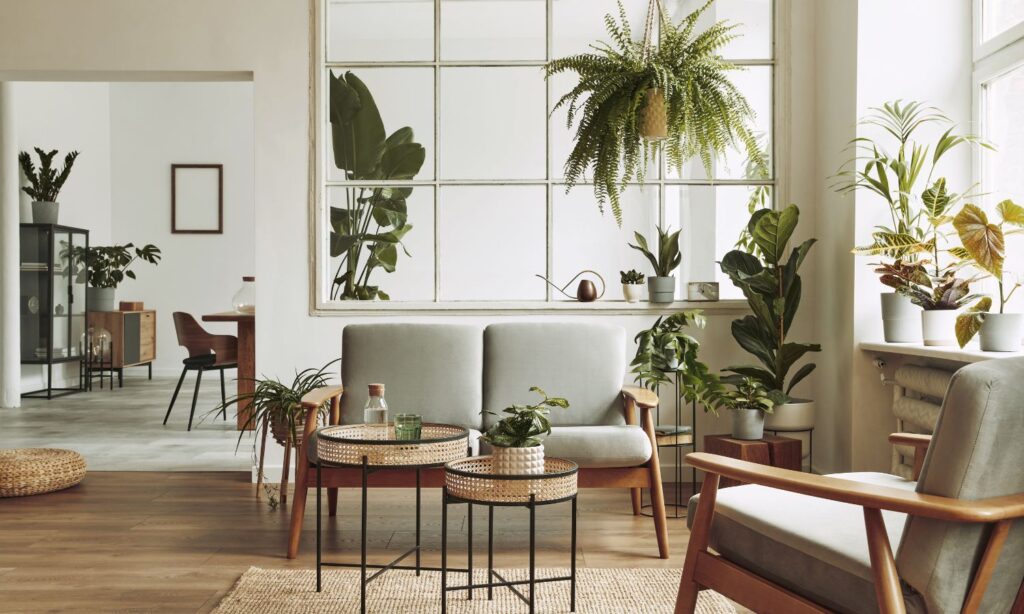
Adding greenery to your home instantly makes it feel more vibrant and welcoming. Potted plants, fresh flowers, or succulents are significant options that bring life to any room. Choose plants that are easy to care for and visually appealing.
Keeping Decor Simple
When it comes to decor, less is more. Over-decorating can make a home feel cluttered and distract buyers from the home’s best features. Stick to neutral, timeless decor that enhances the space rather than overwhelms it.
7. Create a Welcoming Entryway
First impressions matter; the entryway is the first thing potential buyers will see when they arrive. Make sure this area is clean, well-lit, and inviting.
Easy Entryway Updates
Start with a fresh doormat and potted plants to add a welcoming touch. Ensure the front door is in good condition, and consider painting it a bold color to make it stand out. Good lighting is also essential—replace any dim or outdated fixtures with modern, bright options to make the space more inviting.
Conclusion
Staging your home doesn’t have to be complicated or expensive. Whether you opt for virtual staging, hire a professional, or take on DIY projects, these easy staging tips can make your home more appealing to buyers. By decluttering, enhancing natural light, and focusing on critical areas like the kitchen and living room, you can create a welcoming, attractive space that stands out in the real estate market. Simple tasks like rearranging furniture to improve flow, adding fresh coats of neutral paint, and placing strategic decor can elevate your home’s overall appearance. Even small touches, such as adding plants or updating light fixtures, can make a significant difference.
Additionally, staging allows potential buyers to visualize themselves living in the space, which can help them form a stronger emotional connection to the home. The more inviting and neutral the space, the easier it is for buyers to imagine their own belongings in it. A well-staged home not only attracts more potential buyers but boosts your home’s appeal, often leading to higher offers and a quicker sale. Ultimately, investing in home staging, even if it’s just minimal updates, can greatly impact your success in selling your home quickly and for top dollar.